Coastal Virginia covers a lot of ground, from the boardwalk in Virginia Beach to quieter areas further down the coast. People here are used to things that take a little time, whether that’s waiting out traffic on a summer weekend or dealing with ferry schedules.
Getting new hearing aids works about the same way. There’s no single moment where everything just clicks. It takes practice and some guidance along the way, which is where patient coaching comes in.

Patient coaching is the ongoing support you get after you leave the office with new hearing aids. It covers things like adjusting to new sounds, learning how to use the device day to day and knowing what to expect as your ears adjust.

A lot of people assume hearing aids either work right away or they don’t. In reality, most people need a short adjustment period with some coaching to get the most out of their devices.

Why Patient Coaching Matters for New Hearing Aid Wearers

Getting hearing aids fitted is only the beginning. The real adjustment starts once you leave the office and begin wearing them through the normal parts of your day. That is when questions usually start coming up.

Maybe the television sounds different, your own voice feels strange or background noise suddenly seems much more noticeable. Those reactions can be confusing if nobody has explained what is normal during the first few weeks. Coaching gives you a place to talk through those moments instead of assuming something is wrong.

Your local hearing specialist can also help you know what to actually expect during the adjustment period. Having someone to guide you through that makes it a lot easier to stick with it instead of getting frustrated and giving up.

How Your Hearing Specialist Helps After the Fitting

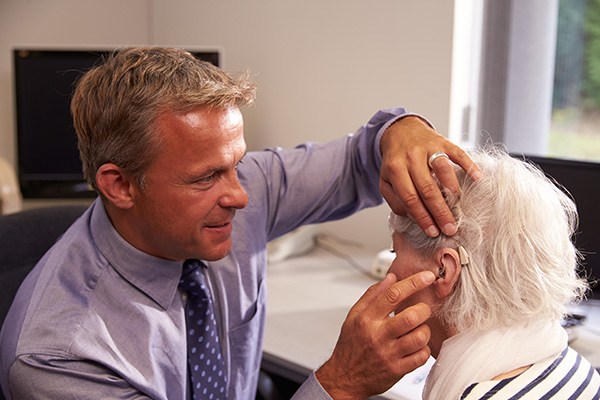
Your hearing specialist stays involved long after the initial fitting. Follow-up visits are where the devices can be fine-tuned based on what you are actually hearing at home. That real-world feedback is often just as important as what happens in the office.

Maybe speech sounds too sharp, background noise feels overwhelming or one environment is especially difficult. Small programming changes can make those situations feel much easier to manage. Your specialist can also adjust volume, tone or other settings as your brain adapts.

There is also a practical side to follow-up care. Your specialist can show you how to clean, charge, store and handle your devices without damaging them. They can also answer questions that only come up after you have worn them for a while.

What Feels Strange at First With New Hearing Aids

New hearing aids can make familiar sounds feel surprisingly unfamiliar. You are getting used to both the physical feeling of the devices and sounds you have missed. That combination can feel like a lot at first.

A few reactions are especially common:

  • Your own voice sounds different: It may seem louder, hollow or more noticeable until your brain adjusts to hearing it differently.
  • Background sounds suddenly stand out: Running water, air vents, refrigerators or footsteps may sound much louder than you remember.
  • Paper and plastic seem extra noisy: Rustling bags, clothing or newspapers can sound sharp during the first several days.
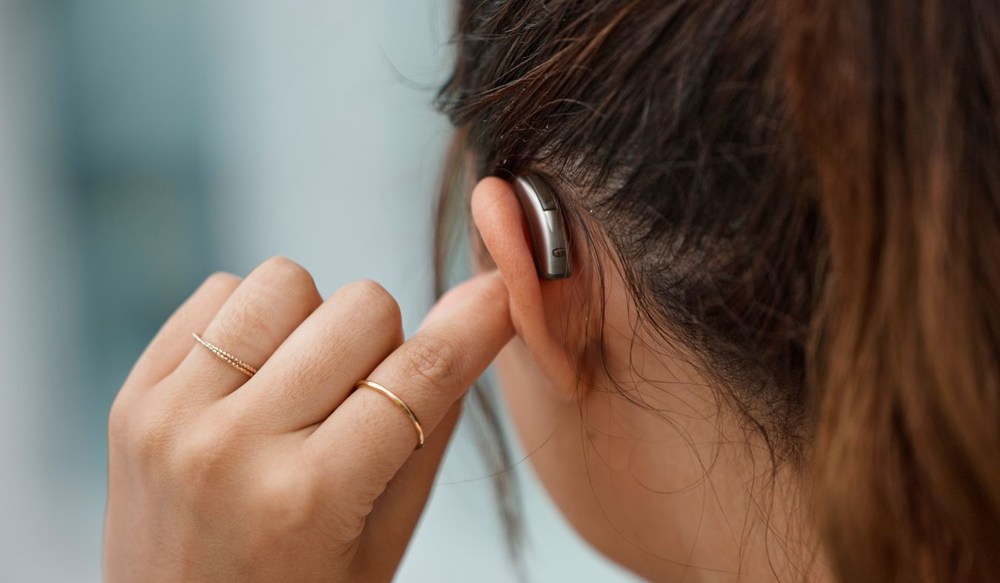
  • You notice the devices themselves: Domes or molds may feel unusual in your ears until your skin gets used to them.

Why Your Brain Needs Time to Adjust to Sound

Hearing does not stop at the ears. Your brain has to recognize, organize and make sense of the sound information your hearing aids are sending in. That takes practice, especially after years of reduced hearing.

When hearing loss develops slowly, certain sounds become less familiar over time. Hearing aids bring those sounds back into the picture, sometimes more quickly than your brain expects. That can make the first few days feel busy or even a little tiring.

Regular wear helps your brain sort out what deserves attention and what belongs in the background. Over time, things like footsteps, dishes or distant conversation become less distracting. Speech also becomes easier to follow as your brain gets more practice with the new input.

Getting Comfortable With Controls, Care and Daily Wear

There is a lot to learn during the first week with hearing aids. You are figuring out how they fit, how the controls work and what needs to happen every night. None of that feels automatic right away.

Repetition helps more than anything else. Putting them in, taking them out, cleaning them, charging or swapping batteries all gets easier the more you do it. A hearing specialist qualified to prescribe hearing aids can also show you a few shortcuts that make the daily handling feel less fiddly.

Some new wearers do better easing in with a schedule, especially in the first couple of weeks:

  • Days one to three: Stick to quieter places so you can get used to voices and everyday household sounds.
  • Days four to seven: Wear them longer and start adding busier settings, like a quiet shop or a short walk.
  • Week two and beyond: Work toward wearing them daily across a wider mix of situations.

Making Conversations Easier in Busy Social Settings

Hearing aids help, but the room around you still matters. A busy restaurant, family dinner or crowded gathering can put several voices and background sounds in the same space. A few changes from the people around you can make those conversations easier to follow.

Ask family and friends to face you when they talk, especially in a group. Being able to see their expressions can make it easier to follow along. And there’s no need to shout. A normal speaking voice usually sounds clearer.

Where you sit can make a difference too. Choose a spot away from kitchens, speakers or other noisy areas when you have that option. Sitting with a wall behind you can also reduce some of the sound coming from the back of the room.

There is nothing wrong with telling people what helps. Asking someone to move closer or turn down the television keeps you involved instead of quietly missing parts of the conversation. Those small adjustments become much easier once the people around you know what works.

Dealing With Coastal Wind While Wearing Hearing Aids

Coastal Virginia gives you plenty of reasons to spend time outside, but windy conditions can create an annoying problem for hearing aid wearers. Air moving across the microphones can produce a rushing sound that competes with the conversation you are trying to hear.

Your position can help when the wind picks up. Turning so the breeze hits the side or back of your head differently can reduce some microphone noise. A hat can also provide a little physical protection without requiring you to change anything on the devices.

Many newer hearing aids also include features that recognize and reduce wind noise. Your hearing specialist can adjust those settings if outdoor conversations are consistently difficult. Real examples from walks, waterfront outings or backyard gatherings help explain exactly what you are hearing.

Wind settings are best judged outside, where you actually deal with the problem. A setting that sounds good in the office might still need tweaking once the breeze picks up. Real-world use gives your hearing specialist a better sense of what still needs adjusting.

Keeping a Hearing Journal During the First Few Weeks

It is surprisingly hard to remember exactly what sounded wrong two weeks ago. A simple hearing journal gives you something more useful than saying, “It just did not sound right.” You do not need pages of notes either.

Write down where you were, what you were trying to hear and what felt off. Maybe one voice sounded sharp, restaurant noise buried the conversation or the television needed more volume than expected. Those specifics tell your hearing specialist much more than a general complaint.

Your phone works just as well as a notebook. A quick note after something happens captures the details while they are still fresh. You can also record situations that went particularly well so your specialist knows what is already working.

Bring those notes to follow-up visits. They give you concrete examples to discuss and help your hearing specialist make more focused adjustments. That is much easier than trying to recreate several weeks of listening from memory.

Knowing When Your Hearing Aids Need Another Adjustment

Some early changes settle as you get used to wearing hearing aids, but others deserve a closer look. Persistent whistling, soreness or sound that never seems clear could point to a fit or programming issue. You should not have to simply tolerate ongoing discomfort.

Feedback is one example. An occasional whistle while inserting a device is different from frequent squealing during normal wear. Repeated feedback could mean the fit, wax buildup or device settings need to be checked.

Physical comfort matters just as much as sound. Tender spots, rubbing or soreness that continues after the early adjustment period should not be ignored. Small changes to a dome, mold or fit can sometimes solve the problem.

Follow-up visits give your hearing specialist a chance to check both the devices and your experience wearing them. Bring the questions and hearing-journal notes you have collected along the way. Fine-tuning is a normal part of getting hearing aids settled into real life.

Moving Forward With Confidence as a New Hearing Aid User

If you’re a few weeks into new hearing aids and still feel like something’s off, that’s a normal part of adjusting, not a sign something went wrong. Shore Hearing offers ongoing coaching to help you get comfortable with your devices, not just a one-time fitting and a handshake.

We’re happy to walk through settings, answer questions or troubleshoot anything that still feels strange. Reach our Accomac office or our Virginia Beach office, both at (757) 841-9395. Either way, we’re here to help you get the most out of your hearing aids.